
Designing in heritage conservation areas
If your house is a heritage item, or it sits inside a conservation area, you're working to a different set of rules than your neighbour two streets over. That doesn't mean you have to settle for less than you wanted. It does mean the thinking has to start earlier, and that it helps enormously to be working with someone who has been through the process before and knows roughly where the give is.
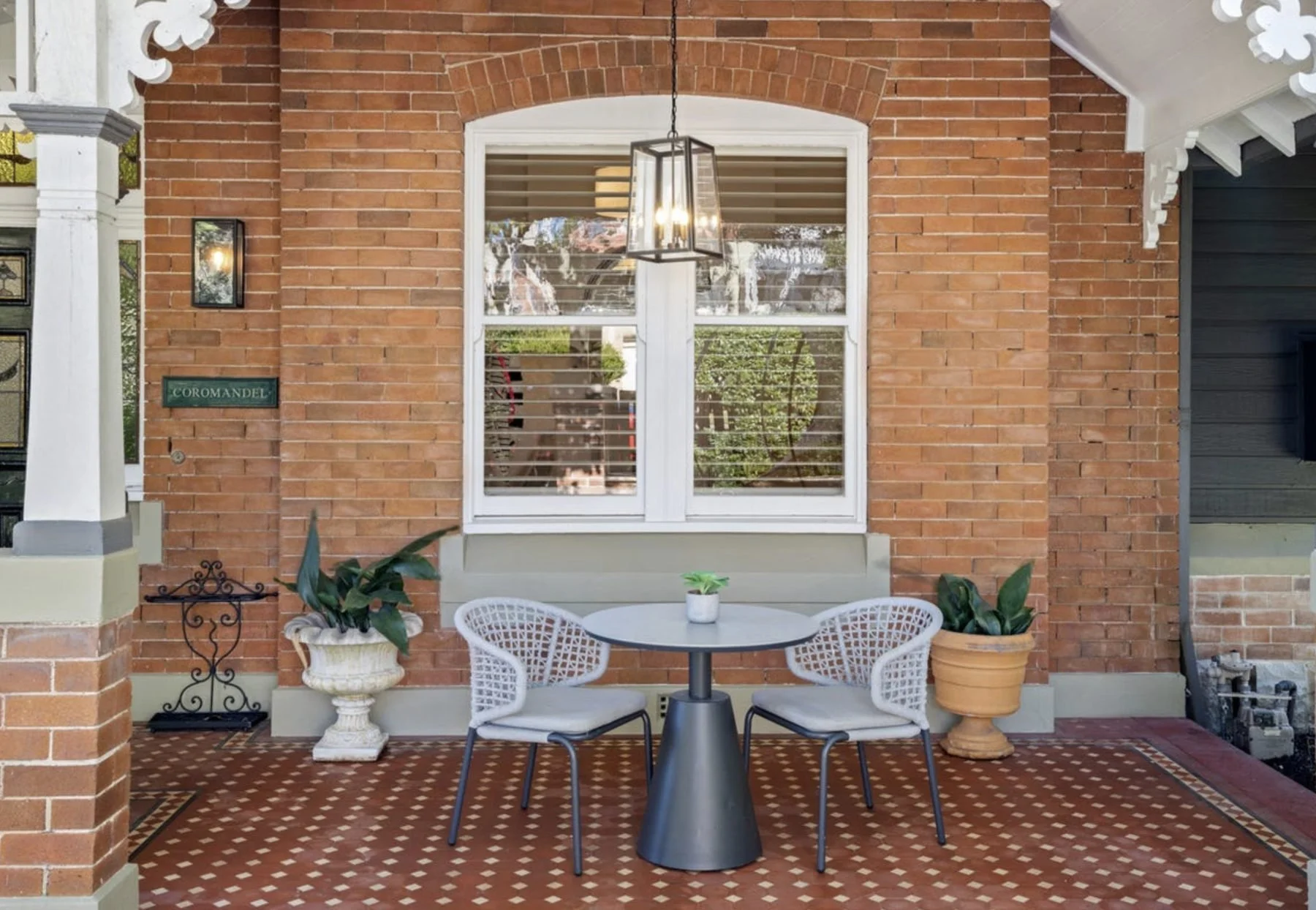
What's actually different about it
In a conservation area, council isn't only assessing your proposal on its own terms. They're assessing whether it sits comfortably in a street that's been given protection for a reason. In practice, that tends to affect a few things.
What can be seen from the street, and therefore what has to sit behind the existing roofline where it won't read from the footpath
Which parts of the original house have to stay, which can be altered, and which can go — and that distinction is often less obvious than people expect
Materials and detailing, including whether new work is allowed to look new or is expected to blend in
The documentation you'll need, which usually includes a Heritage Impact Statement on top of the ordinary drawings
How long the whole thing takes, because there's an extra layer of assessment to get through
None of that makes a good result less likely. It just means the early decisions carry more weight than they would on an unrestricted block, and that guessing is expensive.
The houses we work on
Greg's period expertise runs from Federation through to mid-century, and he's spent a long time around the fabric that comes with those houses — sash windows, tuckpointing, pressed metal ceilings, original joinery, fireplaces that are worth keeping and ones that aren't. He works with any style of house including:
Federation, and the detailing that goes with it
Victorian terraces and semis
Edwardian
California bungalow
Art Deco
Mid-century
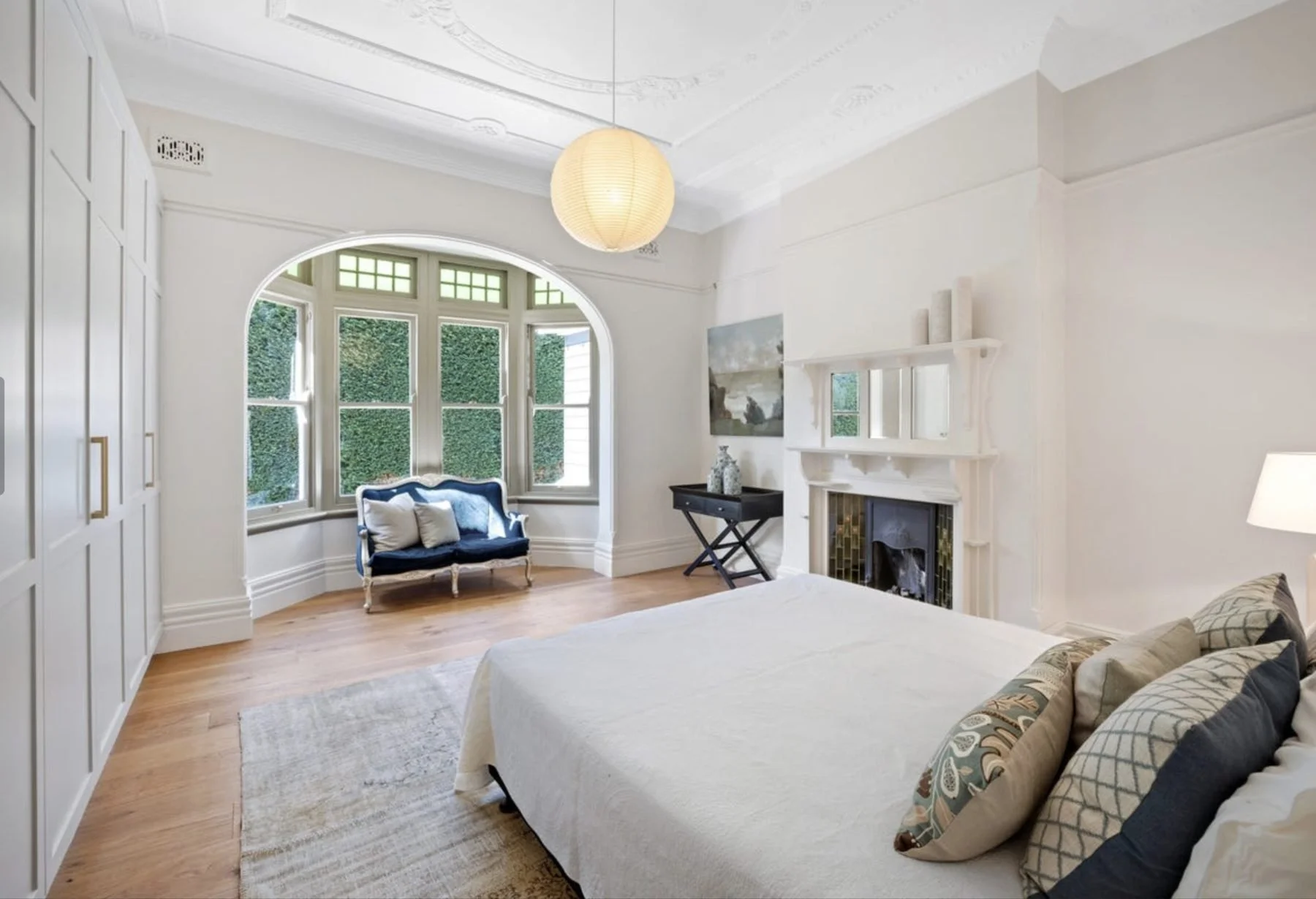
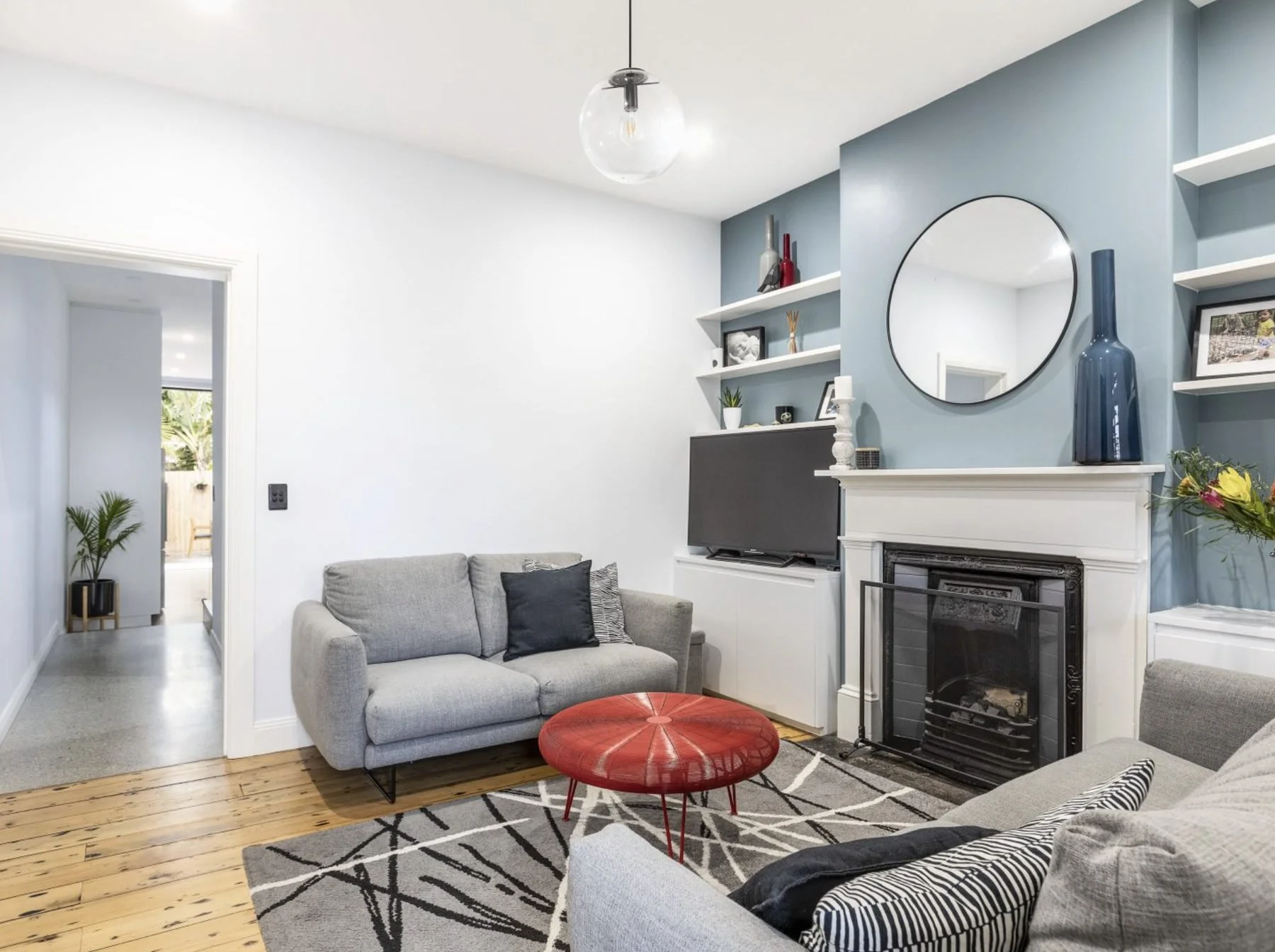
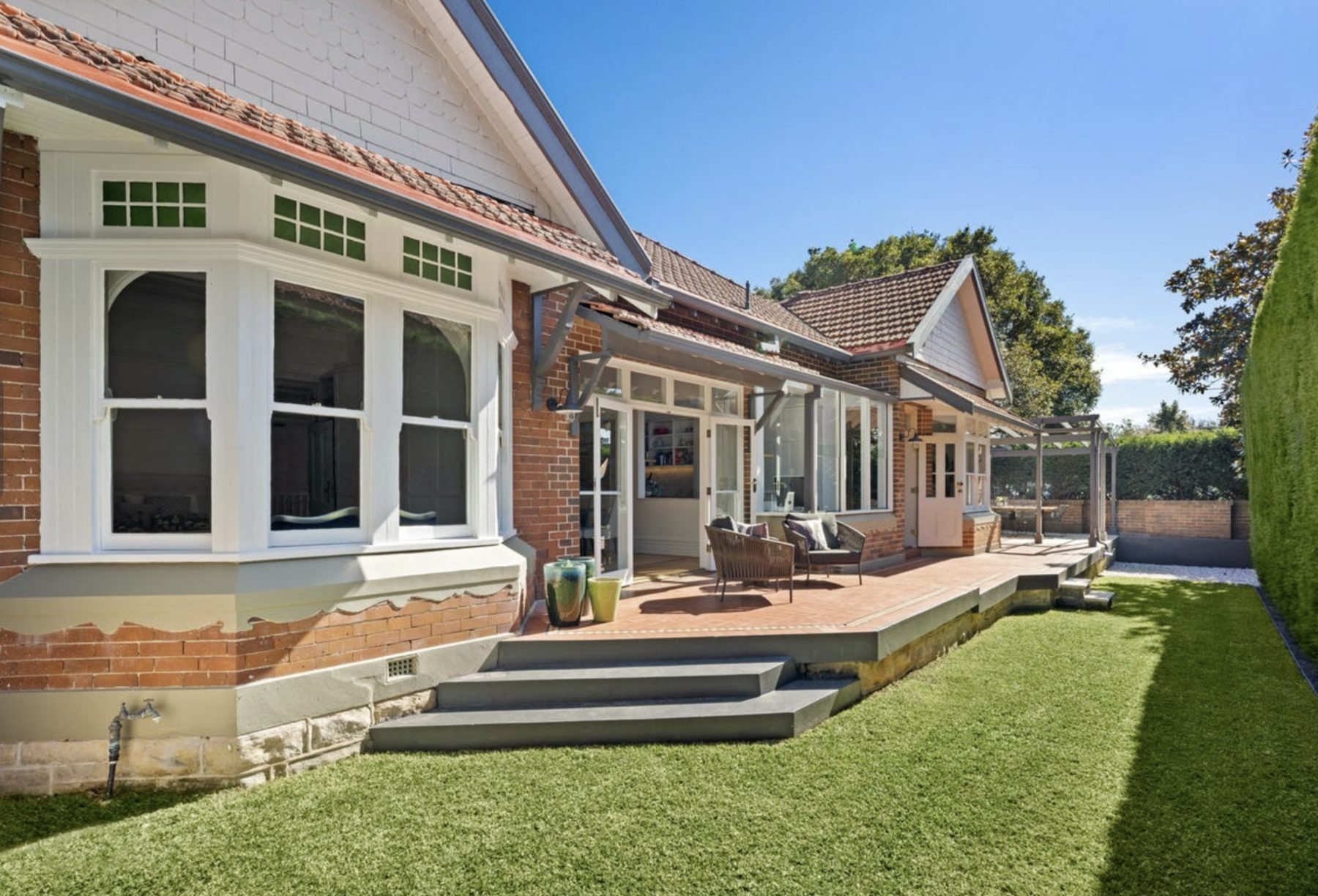
Old at the front, contemporary at the back
The approach that tends to work best in a conservation area is also, conveniently, the one most people want anyway. You keep and repair what's visible from the street, and you let the back of the house become something honestly of its own time rather than a nervous imitation of the front.
What you end up with is the period house you bought into, still recognisably itself, with the light and the space and the connection to the garden that it was never designed to have in the first place.
Heritage Impact Statements & getting it approved
Heritage work almost always means a Development Application rather than complying development, and more often than not a Heritage Impact Statement alongside it. We prepare the design and the documentation that supports it, and we handle council's questions as they come in rather than leaving you to interpret them.
We can't promise you an approval, and nobody honestly can. What we can do is put something in front of council that demonstrates it understands what's being asked of it, which is a good deal more than half the battle.
"Our home is in the Inner West in a heritage area, which can be tricky to work with when it comes to council approval, and Greg knew all the ins and outs of what was expected and needed. His contacts and knowledge of the process made getting council approval smooth and straightforward. We couldn't have done it without his expertise."
★★★★★ Sarah, Dulwich Hill
Where we work
Most of the heritage work is in the Inner West conservation areas — Dulwich Hill, Summer Hill, Lewisham, Enmore, Newtown, Erskineville, St Peters, Marrickville, Annandale, Leichhardt, Balmain and Rozelle.
There's a good deal beyond that too. Greg has done substantial work in Mosman and a cluster of projects in Roseville, along with jobs elsewhere on the North Shore and across greater Sydney, through regional NSW, interstate, and even in Fiji.